Introduction
Post Surgical Rehabilitation is a structured physiotherapy process designed to help patients recover safely and effectively after surgery. Whether following orthopaedic, neurological, or abdominal procedures, physiotherapy plays a vital role in restoring movement, reducing pain, and preventing complications. Early and guided rehabilitation supports optimal healing while accelerating a return to daily activities and independence.
Key Features / Details
Post-surgical physiotherapy is individualized and progresses through clearly defined phases, aligned with tissue healing timelines and surgical protocols.
Key components of post surgical rehabilitation include:
- Initial assessment and planning: Review of surgical procedure, pain levels, swelling, mobility restrictions, and functional limitations.
- Pain and swelling management: Techniques such as positioning, manual therapy, cryotherapy, and gentle movement to promote circulation.
- Restoration of mobility: Gradual improvement of joint range of motion and soft tissue flexibility.
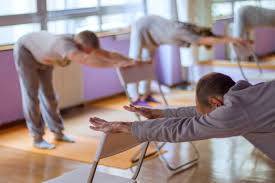
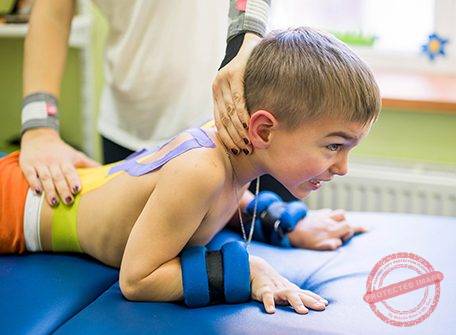
- Strength and stability training: Targeted rehabilitation exercises to rebuild muscle strength and protect surgical repairs.
- Functional retraining: Relearning everyday activities such as walking, climbing stairs, or lifting safely.
Common surgeries requiring physiotherapy include joint replacements, ligament reconstructions, spinal surgeries, and fracture fixations. Modern physiotherapy integrates technology such as digital exercise prescription platforms, wearable motion sensors, and outcome-measure tracking to monitor progress objectively.
Secondary keywords such as physiotherapy recovery and rehabilitation exercises naturally fit into this process, as structured exercise progression is the foundation of successful outcomes. Education is also essential—patients learn how to move safely, manage loads, and recognize warning signs during recovery.
Actionable tip: Adhering to prescribed home exercise programs significantly improves post-operative outcomes and reduces recovery time.
Implications / Analysis
Effective post surgical rehabilitation has far-reaching implications for both short- and long-term health. Without physiotherapy, patients are at higher risk of stiffness, muscle weakness, poor movement patterns, and delayed return to function. Evidence consistently shows that early, guided rehabilitation leads to better functional outcomes and reduced healthcare costs.
From a clinical perspective, physiotherapists balance protection of healing tissues with progressive loading. This requires advanced clinical reasoning and close collaboration with surgeons. Technology-enhanced rehabilitation allows real-time feedback and remote monitoring, improving adherence and enabling adjustments based on data rather than symptoms alone.
Psychological factors also influence recovery. Fear of movement and lack of confidence are common after surgery. Physiotherapists address these barriers through education, reassurance, and graded exposure to movement. By combining hands-on care, exercise science, and digital tools, physiotherapy ensures recovery is not only faster but also safer and more sustainable.
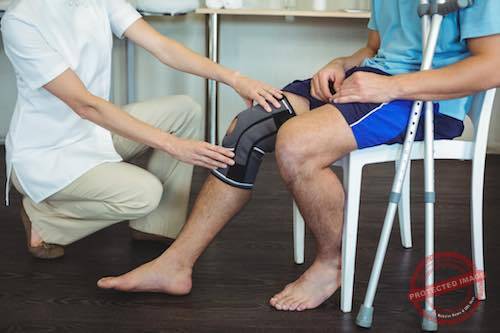
Example: After knee replacement surgery, patients who follow structured physiotherapy protocols often regain mobility sooner and achieve better long-term joint function.
Conclusion
Post surgical rehabilitation is a critical phase of recovery that should never be overlooked. With expert physiotherapy guidance, patients can restore strength, mobility, and confidence while minimizing complications. A personalized, evidence-based, and technology-supported approach ensures optimal healing and a successful return to daily life and activity.