Introduction
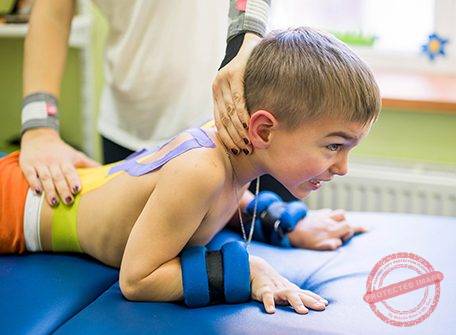
Pediatric physiotherapy is a specialized branch of physiotherapy focused on improving movement, strength, and functional independence in infants, children, and adolescents. By addressing developmental, neurological, and musculoskeletal challenges early, physiotherapists help children achieve age-appropriate milestones. This family-centred approach combines play-based therapy with clinical expertise to support lifelong physical health and confidence.
Key Features / Details
Pediatric physiotherapy is tailored to the unique needs of growing bodies and developing nervous systems. Treatment is engaging, adaptable, and grounded in evidence-based practice.
Common conditions treated include:
- Developmental delays: Delayed rolling, sitting, crawling, or walking
- Neurological conditions: Cerebral palsy, developmental coordination disorder, and spina bifida
- Musculoskeletal issues: Flat feet, torticollis, scoliosis, and postural problems
- Genetic and congenital conditions: Down syndrome and congenital limb differences
- Post-injury or post-surgical care: Supporting safe recovery and return to play
Core components of pediatric physiotherapy include:
- Developmental assessment: Evaluating gross motor skills, balance, coordination, and strength
- Play-based rehabilitation exercises: Using toys, games, and activities to encourage movement
- Parent and caregiver education: Teaching positioning, handling, and home programs
- Early intervention strategies: Addressing movement challenges during critical growth periods
Secondary keywords such as child development and early intervention are central to pediatric care, as early physiotherapy input significantly improves long-term outcomes. Modern pediatric physiotherapy is increasingly tech-savvy, incorporating motion-analysis apps, digital progress tracking, and telehealth sessions to support families remotely when needed.
Actionable tip: Consistency matters—short, daily home-based activities are often more effective than infrequent longer sessions.
Implications / Analysis
The impact of pediatric physiotherapy extends beyond physical milestones. Improved movement ability enhances a child’s participation in school, sports, and social activities, positively influencing emotional well-being and self-esteem. Research shows that children who receive early, targeted physiotherapy are more likely to develop efficient movement patterns and avoid secondary complications later in life.
From a clinical perspective, pediatric physiotherapists must adapt interventions as the child grows. This requires ongoing reassessment and close collaboration with families, pediatricians, and educators. A family-centred model ensures that therapy goals align with real-life needs, not just clinical measures.
Technology is playing an increasing role in pediatric care. Interactive rehabilitation games, wearable movement sensors, and video-based exercise guidance help keep children engaged while providing objective data on progress. This blend of play, science, and technology enhances adherence and outcomes.
Example: A child with delayed walking may progress faster when therapy combines balance exercises, playful obstacle courses, and parent-led practice at home.
Conclusion
Pediatric physiotherapy is essential for supporting healthy movement, independence, and participation in childhood. Through early intervention, individualized care, and family involvement, physiotherapists help children reach their full physical potential. By combining evidence-based practice with engaging, tech-enabled strategies, pediatric physiotherapy lays the foundation for a healthier and more active future.