
Introduction
Geriatric physiotherapy focuses on promoting mobility, functional independence, and quality of life in older adults. As aging brings natural changes in strength, balance, and joint health, physiotherapy plays a key role in managing these challenges. Through individualized, evidence-based programs, geriatric physiotherapy helps seniors remain active, reduce pain, and maintain confidence in daily activities.
Key Features / Details
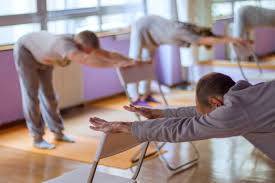
Geriatric physiotherapy addresses age-related conditions while considering medical history, lifestyle, and safety. Treatment plans are designed to be progressive, supportive, and functional.
Common conditions managed include:
- Arthritis and joint degeneration: Osteoarthritis affecting knees, hips, and hands
- Balance and mobility issues: Increased risk of falls and gait instability
- Osteoporosis: Reduced bone density and fracture risk
- Neurological conditions: Stroke, Parkinson’s disease, and peripheral neuropathy
- Post-surgical recovery: Rehabilitation after joint replacements or fractures
Core elements of geriatric physiotherapy include:
- Functional assessment: Evaluation of walking ability, balance, strength, and endurance
- Pain management: Manual therapy, gentle mobility exercises, and education
- Strength and balance training: Targeting lower limb strength and postural control
- Flexibility and joint mobility: Maintaining range of motion for daily tasks
- Fall prevention strategies: Gait training and home safety advice
Secondary keywords such as elderly rehabilitation and fall prevention are integral to treatment planning. Modern physiotherapy clinics increasingly use technology like balance platforms, wearable step counters, and tele-rehabilitation to monitor progress and encourage adherence. Exercises are often linked directly to functional tasks such as standing from a chair or climbing stairs.
Actionable tip: Simple daily exercises, like sit-to-stand repetitions, can significantly improve strength and independence over time.
Implications / Analysis
The implications of effective geriatric physiotherapy extend well beyond physical health. Improved mobility and balance reduce the risk of falls, one of the leading causes of injury and hospitalization in older adults. Maintaining physical independence also supports mental well-being, social participation, and overall quality of life.
Clinically, physiotherapists must balance safety with progressive challenge. Programs are carefully adapted to accommodate chronic conditions, medication effects, and fatigue levels. Research shows that even in advanced age, strength and balance can improve with appropriately prescribed exercise.
Technology is enhancing care delivery for seniors. Virtual physiotherapy sessions, digital exercise reminders, and wearable activity monitors allow continuous support, particularly for those with limited access to clinics. This tech-enabled approach promotes consistency and empowers older adults to take an active role in their health.
Example: Seniors who participate in regular balance training programs often experience fewer falls and greater confidence in walking outdoors.
Conclusion
Geriatric physiotherapy is essential for supporting healthy aging and preserving independence. By combining safe exercise, personalized care, and modern technology, physiotherapists help older adults move with confidence and reduce the risk of injury. A proactive approach to physiotherapy enables seniors to remain active, engaged, and independent throughout later life.