
Introduction
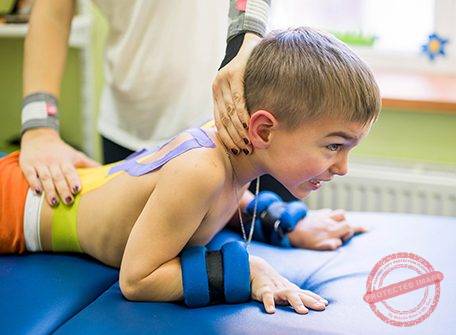
Manual Therapy is a hands-on clinical approach used by physiotherapists to assess and treat musculoskeletal dysfunction. Rooted in biomechanics and neurophysiology, it aims to reduce pain, restore movement, and enhance functional performance. Widely integrated into evidence-based physiotherapy programs, this approach combines skilled touch with clinical reasoning to deliver precise, patient-centred care.
Key Features / Details
Manual therapy encompasses a range of specialized techniques applied to joints, muscles, and connective tissues. When used appropriately, it complements exercise-based rehabilitation and digital health tools.
Core techniques include:
- Joint mobilization: Graded, passive movements applied to joints to improve range of motion and reduce stiffness.
- Joint manipulation: High-velocity, low-amplitude thrusts performed within anatomical limits to address joint restrictions.
- Soft tissue techniques: Including myofascial release, trigger point therapy, and deep tissue massage to address muscle tone and flexibility.
- Neurodynamic techniques: Targeted movements to improve nerve mobility and reduce neural sensitivity.
Clinical benefits:
- Reduction in musculoskeletal pain through mechanical and neurophysiological effects
- Improved joint mobility and tissue extensibility
- Enhanced circulation and tissue nutrition
- Faster return to functional activities when combined with therapeutic exercise
From a tech-savvy perspective, manual therapy is increasingly guided by objective assessments such as digital goniometry, ultrasound imaging, and outcome-tracking apps. In physiotherapy practice, it is rarely a standalone intervention; instead, it is strategically integrated with corrective exercises, patient education, and movement retraining for long-term results.
Implications / Analysis
The role of manual therapy in contemporary physiotherapy continues to evolve alongside research and clinical innovation. Evidence suggests that while hands-on techniques can provide rapid symptom relief, their true value lies in facilitating active rehabilitation. By reducing pain and improving initial mobility, manual therapy allows patients to engage more effectively in strengthening and motor control exercises.
For conditions such as neck pain, low back pain, and sports-related injuries, combining joint mobilization and soft tissue techniques with exercise has shown superior outcomes compared to passive care alone. Importantly, clinical reasoning is essential—manual therapy should be tailored to the individual’s presentation, preferences, and goals.
Technology is also shaping how manual therapy is delivered and evaluated. Wearable sensors, electronic health records, and telehealth platforms enable physiotherapists to monitor progress and adjust treatment plans with precision. This hybrid model—hands-on expertise supported by data—represents the future of high-quality musculoskeletal care.
Actionable tip: Patients often benefit most when manual therapy sessions are followed by prescribed home exercises that reinforce newly gained mobility.
Conclusion
Manual therapy remains a vital component of physiotherapy, offering targeted pain relief and improved movement when applied with skill and evidence-based reasoning. Integrated with exercise, education, and modern assessment tools, it supports efficient recovery and long-term function. For optimal outcomes, it should always be part of a comprehensive, individualized treatment plan.